

1 in 5 women will experience a perinatal mental health problem.
Most people are aware of postnatal depression, or PND, but depression can also occur during pregnancy. Other perinatal mental illnesses include anxiety, obsessive-compulsive disorder (OCD), post-traumatic stress disorder (PTSD), and eating disorders.
70% of women underplay their maternal mental health struggles.
This could be due to fear of being judged, lack of knowledge of their illness, assumptions that it’s just the ‘baby blues’. And shockingly, suicide is the leading cause of death in the first postnatal year.*

NICE estimate 3% of mothers will experience severe mental health needs (around 300 women each year in Norfolk) and 10-30% with have mild to moderate mental health needs (2,600 – 4,500 women).*Source: Norfolk JSNA Briefing Document (2020)
Whilst there has been significant progress within perinatal mental health care, there is still lots of work to be done. Perinatal mental illness causes a great deal of distress for individuals and families and can have particular significance at this important time of life. Whilst not at all inevitable, parental mental illness can impact on the developing bond. Mum’s might feel overwhelmed by the babies’ needs, unable to enjoy the interactions with their baby, or struggle with some of the tasks of parenting when the cognitive symptoms of depression may impact on their ability to plan or to establish routines of feeding or sleeping.
Getting the right treatment at the right time makes a big difference, whether that is in treating the illness in the Mum or in supporting the parent-infant relationship where this is needed. The earlier a parent dealing with mental health issues gets support, the lower the chances of needing intensive services in the future.
You can watch Home-Start UK’s video to find out more about how Home-Start supports families during the perinatal period.
At Home-Start Norfolk, 62% of parents seeking support required help with their mental health and well-being.
Our committed volunteers and experienced staff offer compassionate, confidential, and non-judgmental support. Building a trustworthy bond between parents and volunteers in the home environment promotes a safer space for parents to seek further help without fear of judgment.
“Sylvia has helped me to find my identity again, I have been through a lot and lost myself along the way, she has given me confidence in my parenting ability and had helped me regain my independence. Home-Start Norfolk has been a lifeline for me, I wouldn’t be where I am today if it wasn’t for them.”
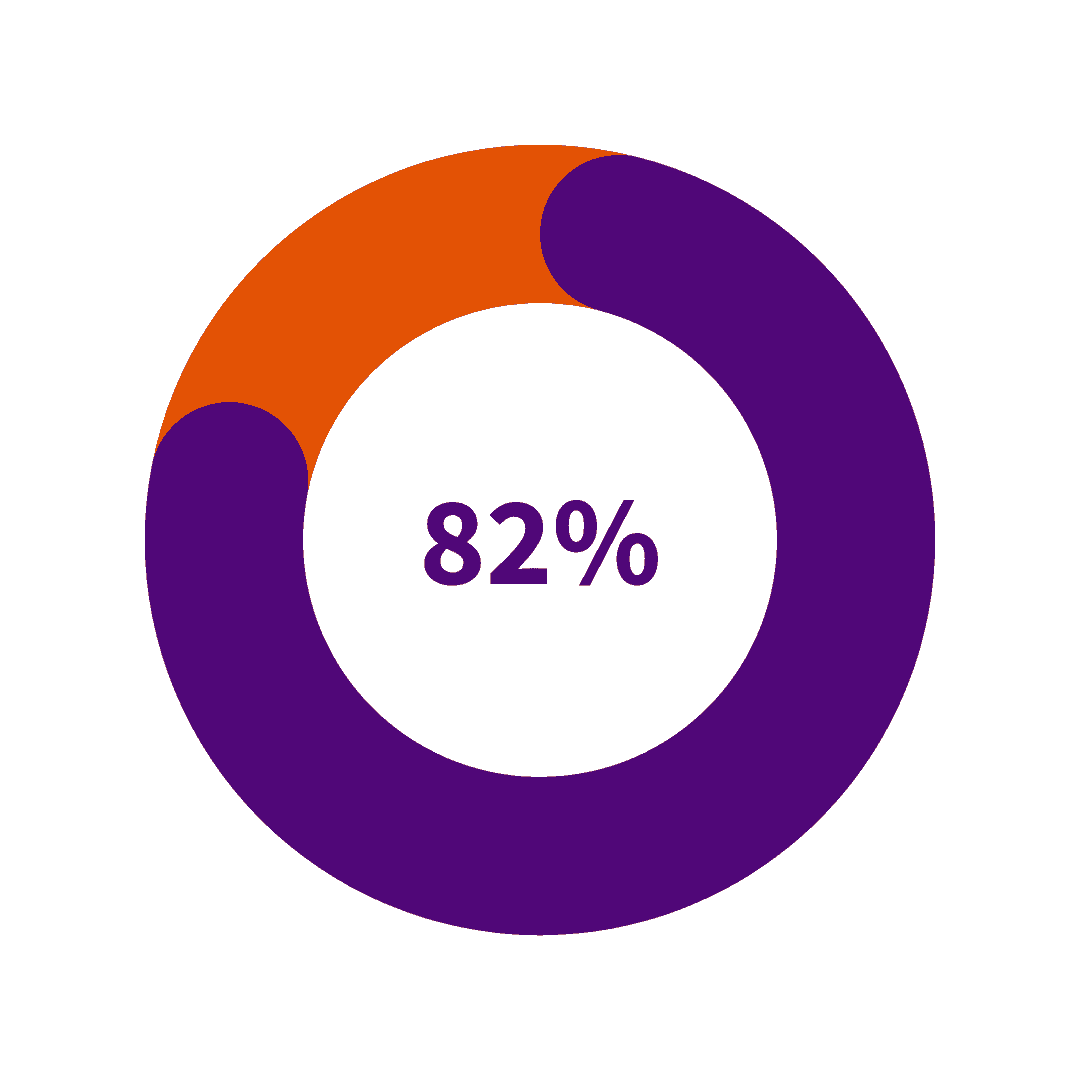
82% of parents reported that their mental health and wellbeing had improved following home-visiting support from a volunteer.
We wouldn’t be able to offer this service to families in Norfolk without regular donations from loyal supporters.
Be one of our 62!
We would love for 62 of our followers, representing 62% of parents referred in for mental health and wellbeing, to donate to enable us to continue to support parents suffering with perinatal mental health to get the care they need.
£5 Donation
could fund one volunteer’s travel costs to visit a parent struggling with their mental health
£10 Donation
could fund a supportive call to an anxious parent by one of our trained Family Service Coordinators
£20 Donation
could fund an online mental health course for a volunteer
£50 Donation
could fund a professional needs assessment to identify their priority needs and issues.
Crisis support
*If you, or someone you are concerned about, are in crisis, despairing or suicidal, please contact a health professional e.g your own GP, midwife or health visitor, go to A&E at your local hospital or call emergency services on 999.
You can also call Samaritans on 116 123 (free to call and will not appear on your phone bill) or email jo@samaritans.org